In response to stringent environmental regulations, hot mix plant manufacturers are increasingly focused on providing eco-friendly upgrades for asphalt factory setups. These innovations aim to minimize environmental impact while maintaining cost-effectiveness for contractors. By embracing sustainable technologies, manufacturers enhance the efficiency of their asphalt plants without significantly raising costs. Understanding these upgrades allows contractors to align their operations with regulatory requirements, ensuring both compliance and economic viability in their projects.

Importance of Sustainable Practices
The emphasis on sustainability has never been more critical in the construction industry. With governments worldwide implementing strict environmental regulations, the asphalt sector faces pressure to minimize its carbon footprint and reduce emissions. Hot mix plant manufacturers are responding to this demand by offering a range of eco-friendly upgrades designed to enhance the sustainability of asphalt production.
Sustainable practices not only address regulatory mandates but also improve public perception. Contractors that adopt these greener approaches can differentiate themselves in a competitive market. By investing in eco-friendly technology, they showcase their commitment to responsible construction practices that benefit both the environment and the community.
Advanced Emission Control Technologies
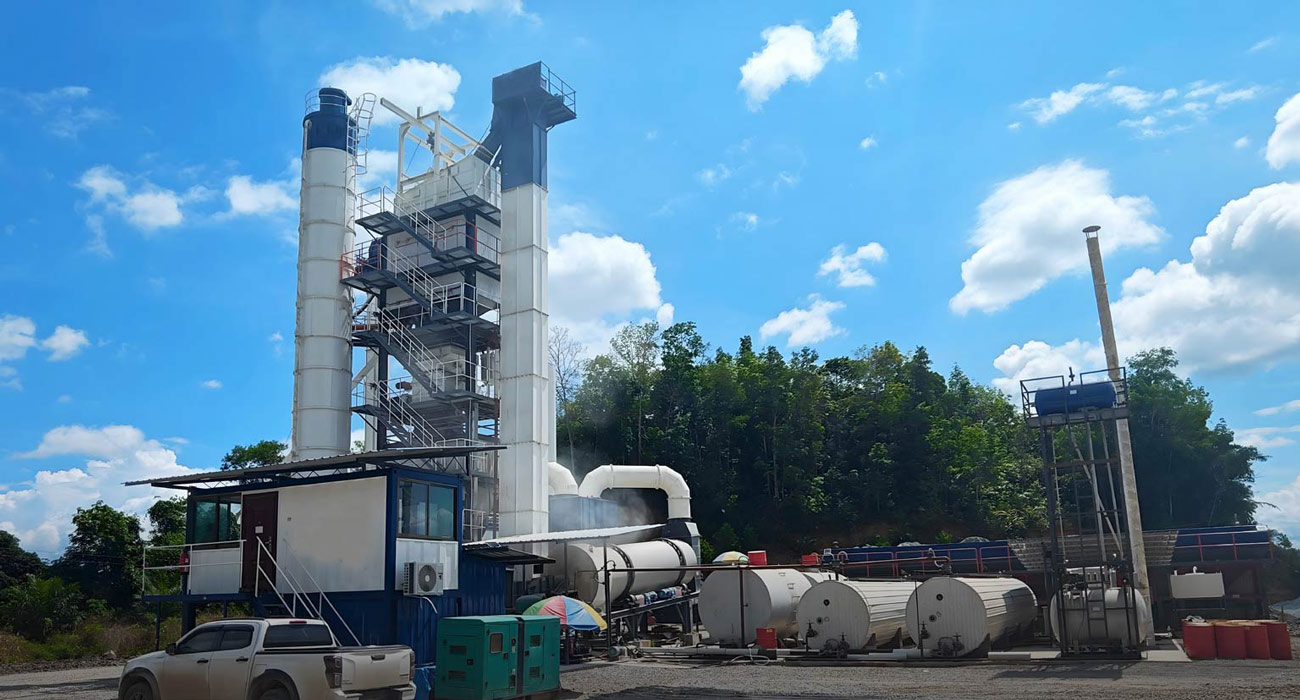
One of the primary upgrades hot mix plant manufacturers are implementing involves advanced emission control technologies. These systems significantly reduce the pollutants emitted during asphalt production, thereby helping contractors meet ever-tightening air quality standards. Technologies such as baghouses and scrubbers are designed to capture particulate matter and volatile organic compounds (VOCs) before they enter the atmosphere.
By incorporating these emissions control technologies, manufacturers enable contractors to run their asphalt plants in a more environmentally friendly manner without drastically increasing the overall asphalt plant cost. The investment in such systems often pays off in avoiding fines and improving operational efficiency, ensuring that contractors can focus on project delivery rather than regulatory compliance.
Energy Efficiency Improvements
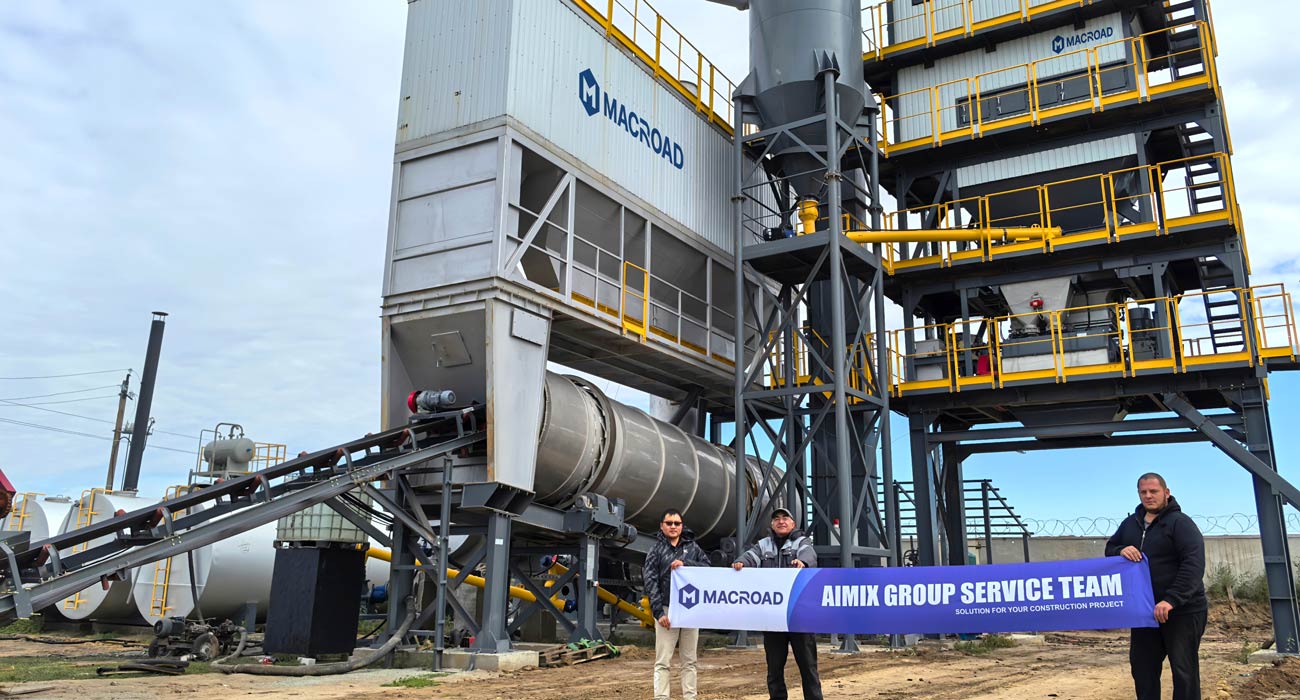
Energy efficiency is another area where hot mix plant manufacturers are making significant strides. Upgrades such as heat recovery systems and optimized burners allow for more efficient fuel usage, reducing operational costs while lessening environmental impact. A heat recovery system captures waste heat from the production process, which can then be reused for drying aggregates or heating asphalt, ultimately minimizing fuel consumption.
These energy-efficient features not only contribute to sustainability goals but also help contractors manage their budgets effectively. The reduction in energy costs can offset the initial investment in these technologies, making the long-term operational savings significant. Thus, manufacturers are ensuring that eco-friendly designs do not lead to prohibitive asphalt plant cost for contractors.
Use of Renewable Materials
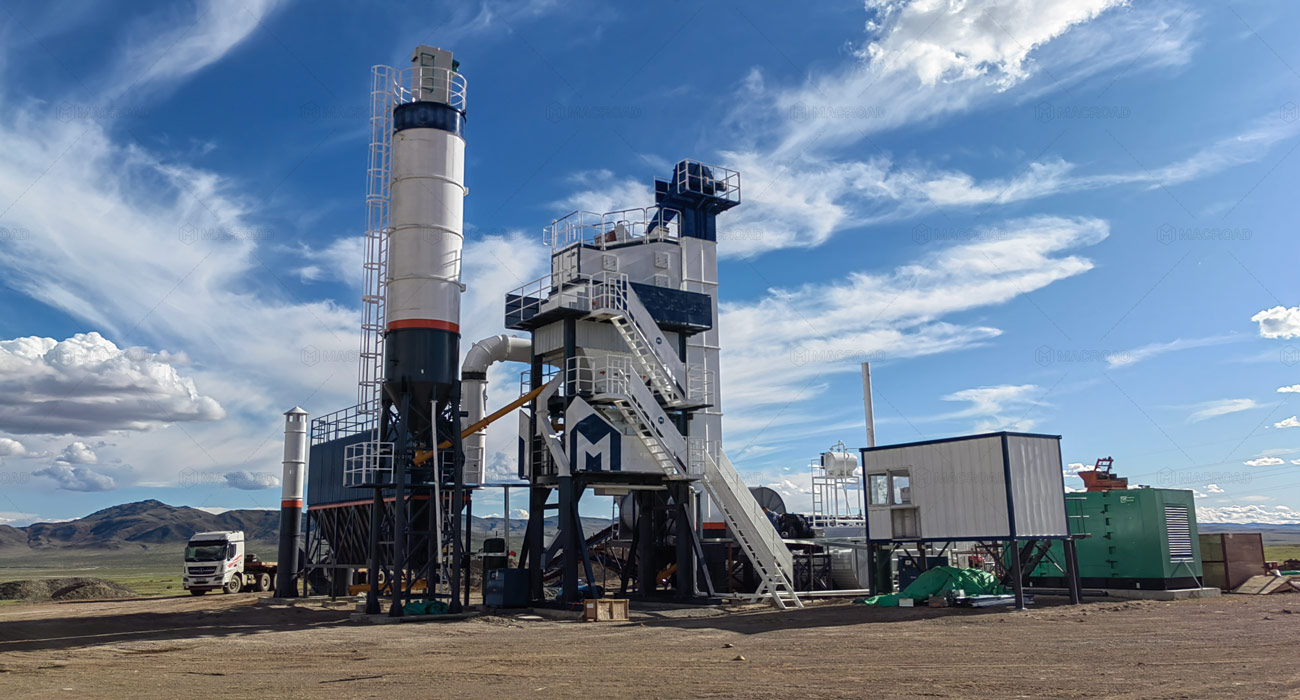
Another eco-friendly upgrade that hot mix plant manufacturers are exploring is the incorporation of renewable materials in asphalt production. By designing plants that can efficiently process recycled asphalt pavement (RAP) and other eco-friendly aggregates, manufacturers support the circular economy and reduce the need for virgin materials.
The ability to recycle materials on-site not only lessens the environmental impact but also translates into cost savings for contractors. Using RAP can significantly lower material costs while allowing contractors to fulfill regulatory requirements for sustainable practices. Manufacturers like Macroad are ensuring that these upgrades are seamlessly integrated into existing setups, avoiding major cost increases while promoting environmentally responsible construction methods.
Conclusion
In responding to stringent environmental regulations, hot mix plant manufacturers are offering valuable eco-friendly upgrades that enhance asphalt factory setups without significantly raising costs for contractors. By focusing on emission control technologies, energy efficiency improvements, and the use of renewable materials, manufacturers create opportunities for contractors to operate sustainably and profitably. Understanding these innovations empowers contractors to make informed decisions that align with regulatory requirements and promote responsible practices in asphalt production, ensuring a balance between environmental stewardship and economic viability. This strategic focus on sustainability will undoubtedly shape the future of asphalt production in a more eco-conscious industry.